Top UK Physio: The Hidden Neck Problem GPs Keep Missing, And Why It's Behind Your Morning Dizziness, Brain Fog And Racing Heart
If your scans, blood tests and ear tests all came back "normal", but you still wake up lightheaded, foggy and off-balance, this short article explains the one thing nobody checked.
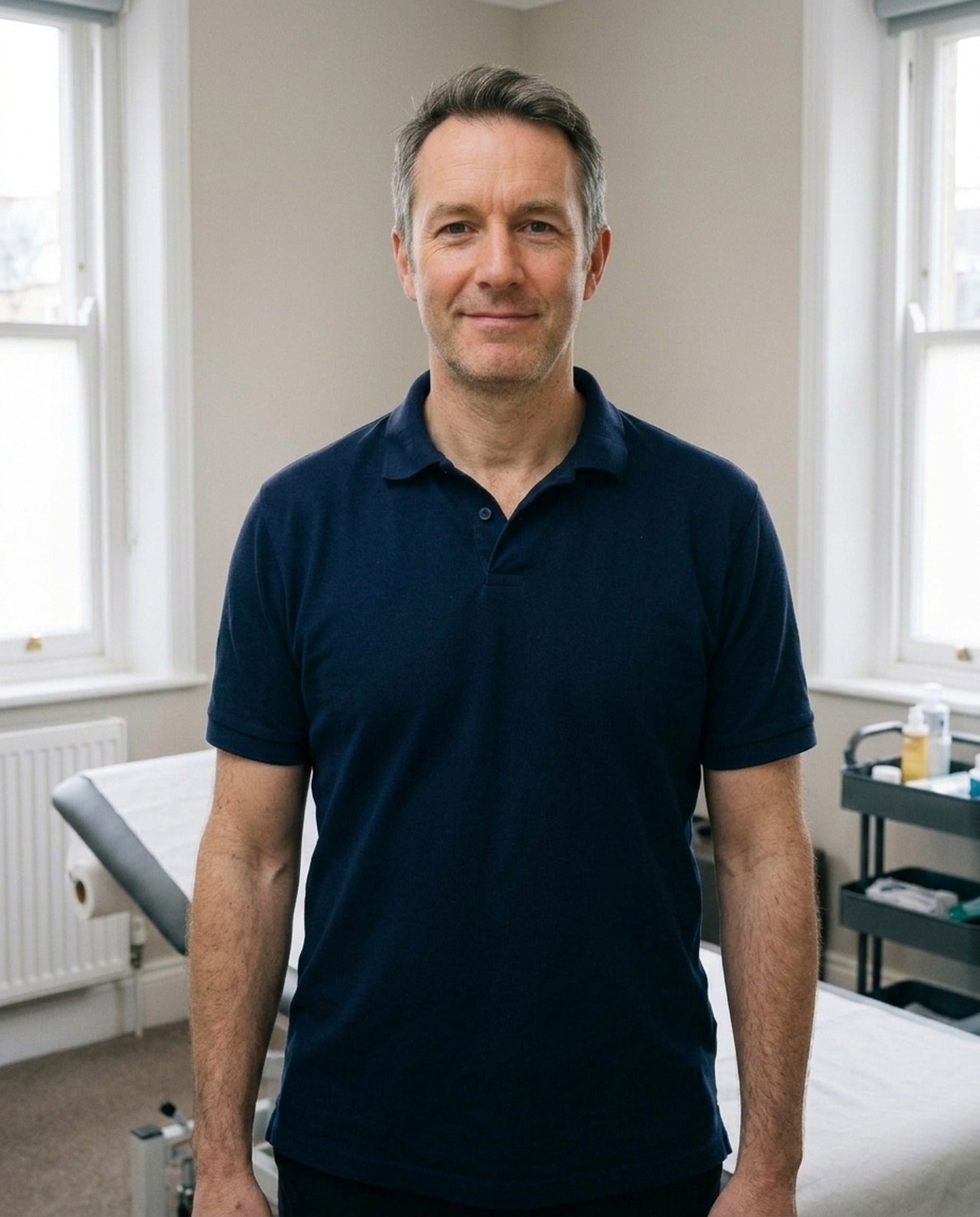 Oliver Hartley · MSK Physiotherapist specialising in neck and shoulder painPublished on 21 October 2026
If you're reading this, you've probably already been to every doctor you can think of.
Your GP, more than once. The ENT for the dizziness. A neurologist who sent you for a brain scan. Maybe the optician for the blurry vision, and a heart monitor for good measure.
And after all of it, the scans, the blood tests, the months on NHS waiting lists, you got the same shrug.
"Everything looks normal. It's probably anxiety."
And still:
Every morning the room tilts before your feet even touch the floor.
Your head feels heavy and foggy, like a hangover you didn't earn.
Some mornings you have to hold the wall to get to the bathroom.

What if I told you none of this has anything to do with your ears, your brain or your nerves?
The Neck-Dizziness Connection That Has A Name Your GP Never Mentioned
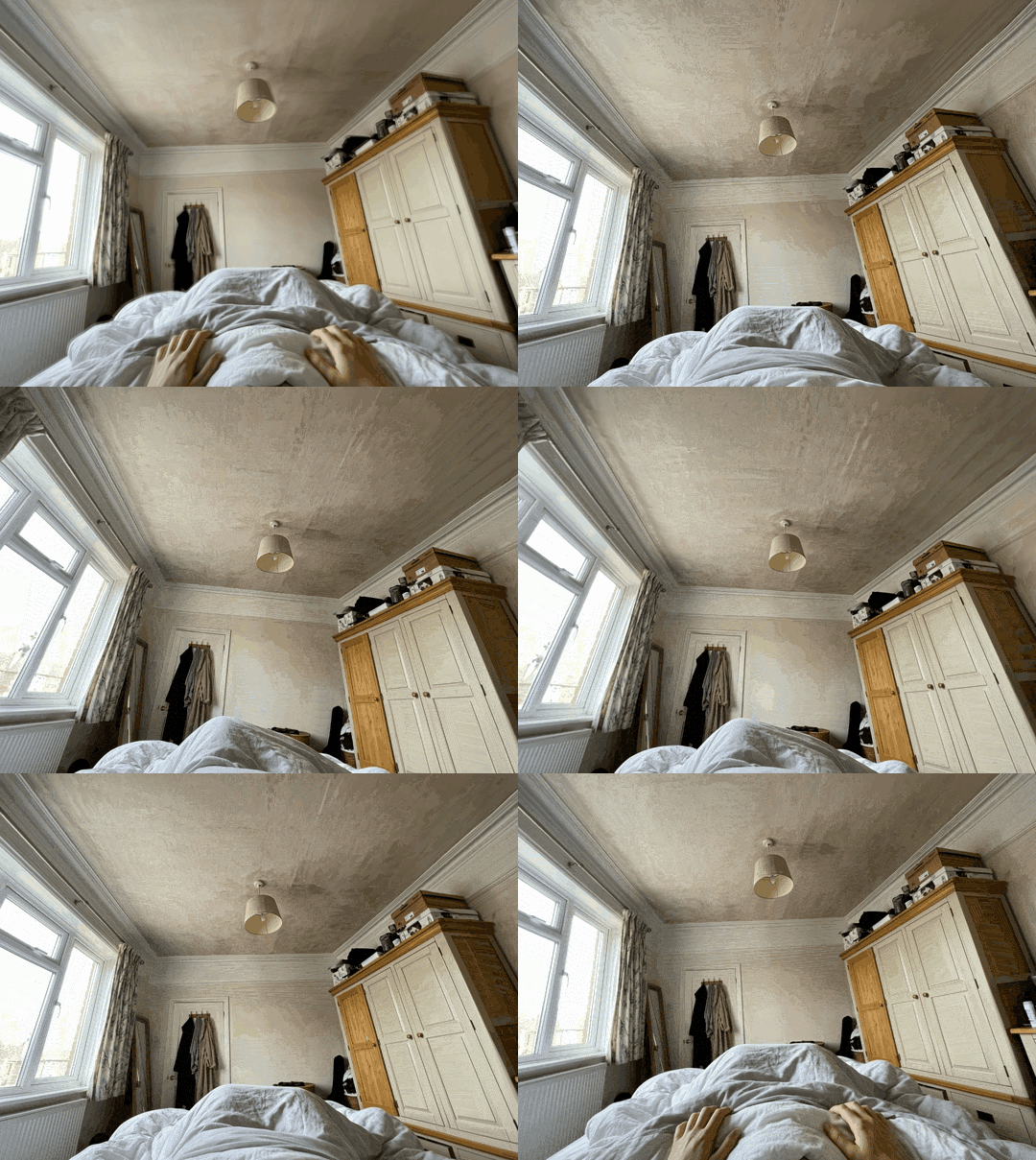
In my clinic, I see the same pattern almost every week.
A woman in her forties, fifties or sixties. Months, sometimes years, of dizziness, blurred vision, brain fog and that unsteady "standing on a boat" feeling.
She's been told it's anxiety. Or the menopause. Or "just stress". Some have been put on tablets for it.
But when I finally examine her neck, I find the same thing, every single time.
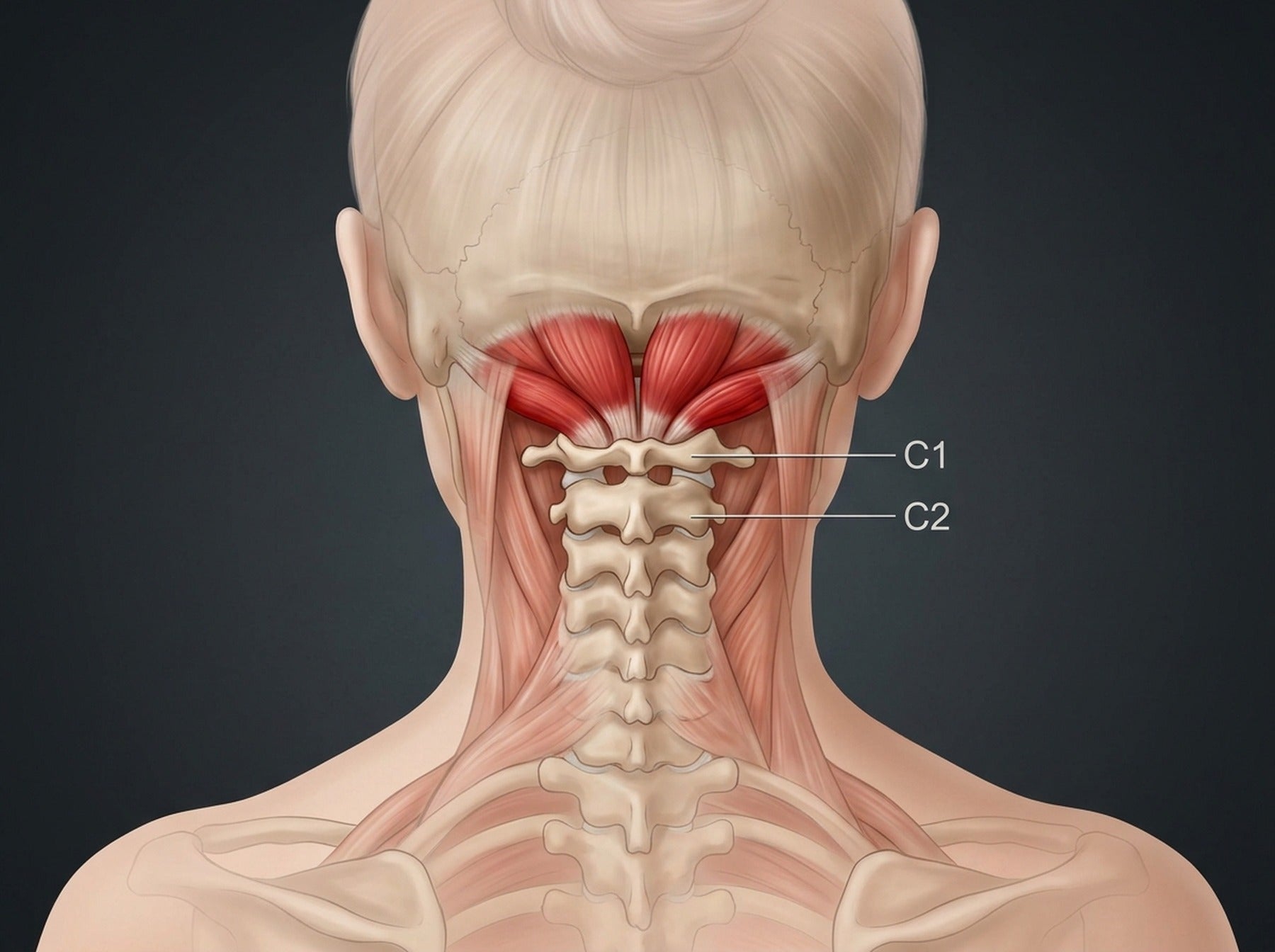
Tight, overworked muscles right at the base of the skull. The small muscles around C1 and C2, the two top bones in your neck.
There's even a clinical name for dizziness that comes from the neck: cervicogenic dizziness. Most people have never heard of it, because it doesn't fit neatly into any one specialist's box. So it slips through the cracks. You get passed from your GP to the ENT to the neurologist and back again, and nobody looks at the one place the problem actually lives.
Dizziness is just the first warning sign
Your neck isn't just there to hold up your head.
The bones at the top of your spine protect the nerves and blood vessels that control everything that matters.
Your balance. Your vision. Your sense of where you are in the room. Even your ability to think clearly.
And the patients with the worst symptoms all have the same problem.
Tight muscles squeezing those nerves and blood vessels at C1 and C2.
The exact spot so many of them point to themselves. That deep pulling right where the head meets the neck. That heavy, weighted-down feeling at the base of the skull.

Tension nobody ever told them was the cause.
Why your neck stays tight in the first place
Here's the part that matters most. And it's the reason so many people find their symptoms are worst first thing in the morning, or the moment they lie down and roll over in bed.
When you sleep on the wrong pillow, your neck muscles never get to rest.
They work all night to hold up your head. In the wrong position. For 8 hours straight.
I call it the 8-Hour Hold.
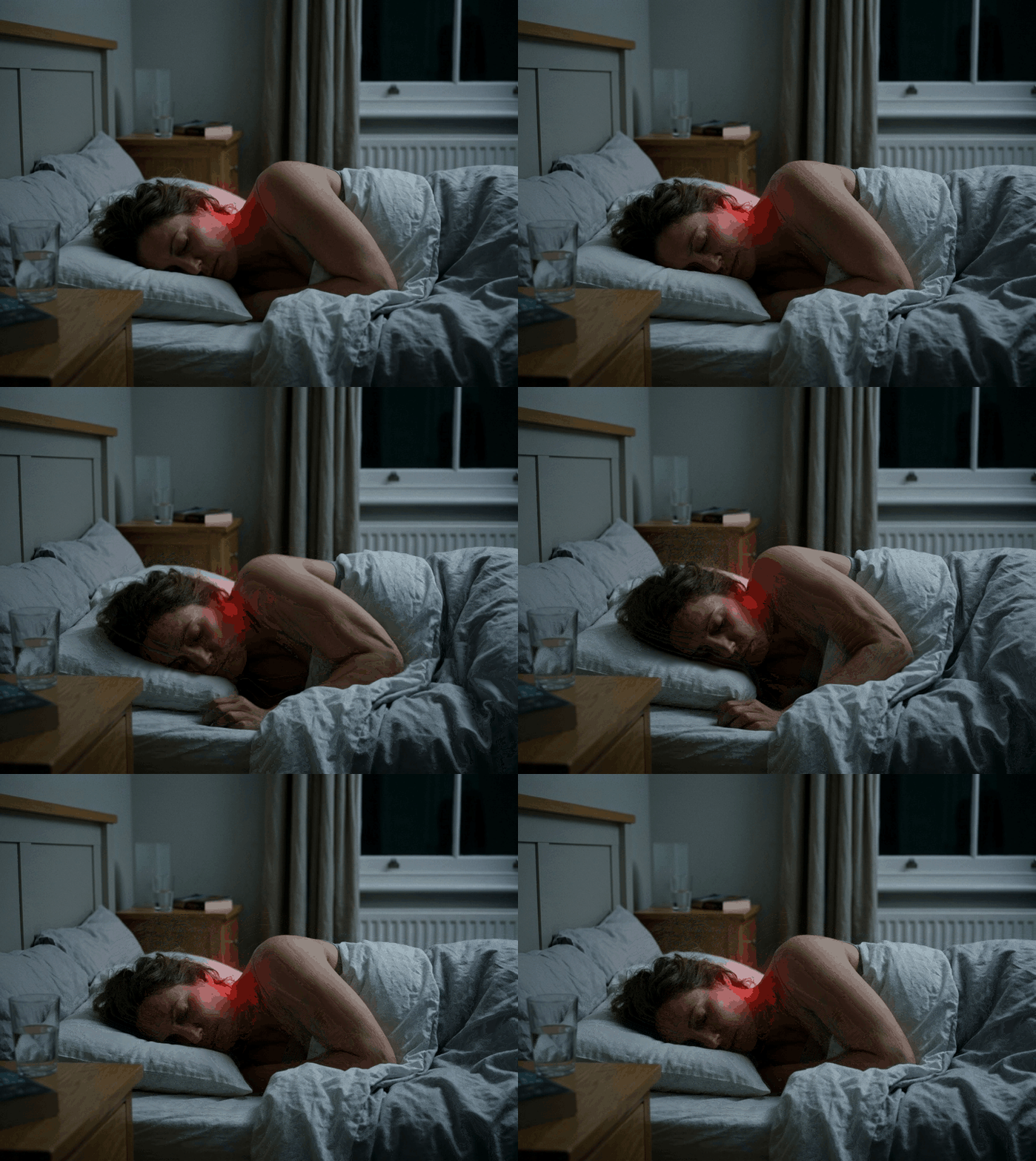
And if you sleep on your side, it's worse. Your shoulder has nowhere to go. It ends up underneath you and shoves your head up at an angle, so your neck is bent all night. Night after night, those muscles forget how to relax. They stay tight all the time. Even during the day.
And here's the problem.
Those tight muscles sit right around C1 and C2, where two critical things run through.
Your vagus nerve.
And the blood vessels feeding your brain.
As the muscles tighten, they press on the vagus nerve, the nerve that helps control your heart rate and your fight-or-flight response.
Your heart races. You feel wired and anxious for no reason. You can't wind down, even when nothing is actually wrong.
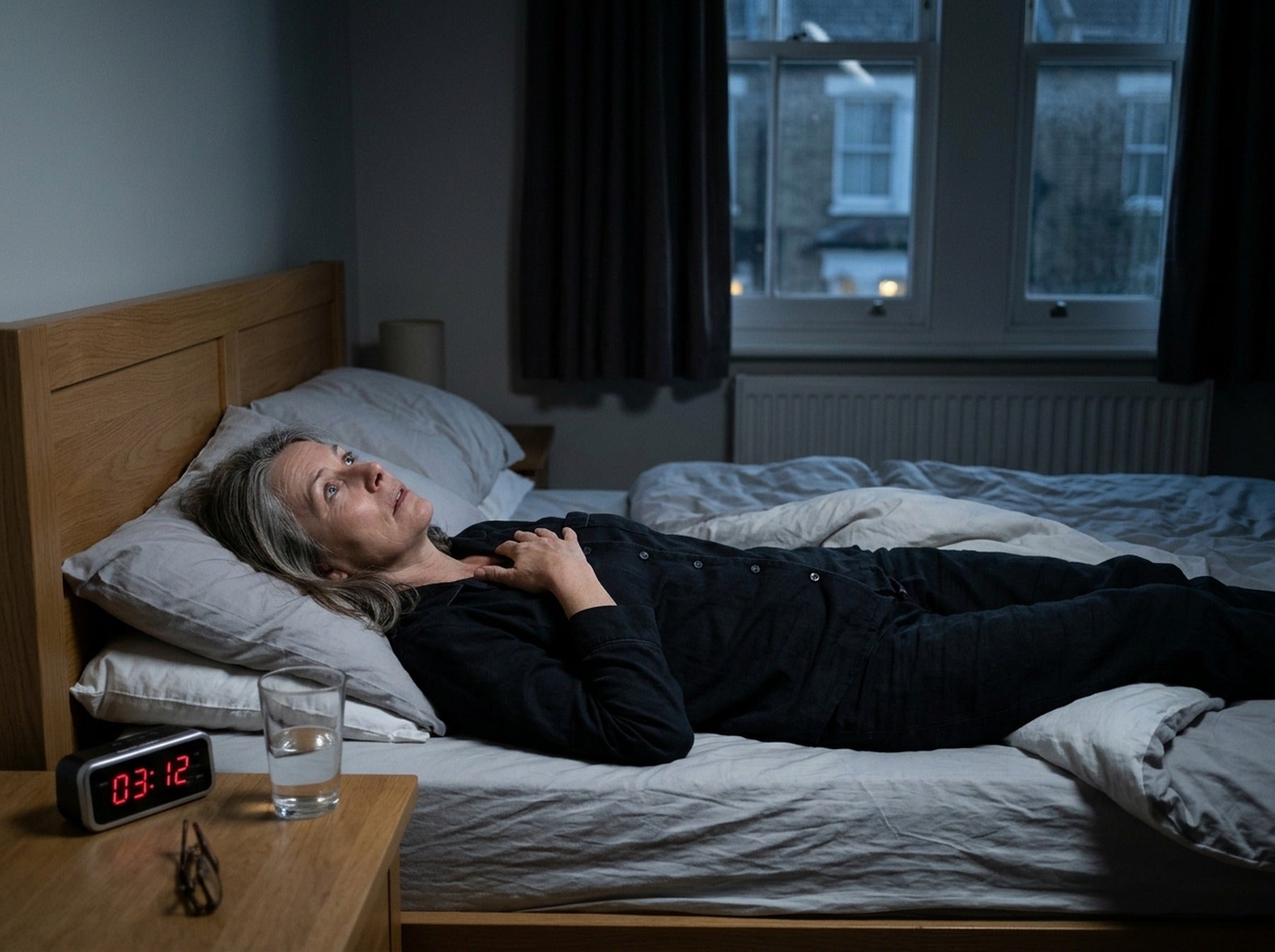
At the same time, those tight muscles slow the blood flow to your brain.
And that is why you feel like you're floating. Why the room seems to rock. Why your head is foggy and heavy, and why so many describe it as feeling permanently hungover.
Not because something is wrong with your brain. But because your brain uses around a fifth of your body's blood supply, and your tight neck muscles are squeezing the pipes that deliver it.
Think of it like a garden hose with a foot pressing down on it. The water doesn't stop. It slows to a trickle.
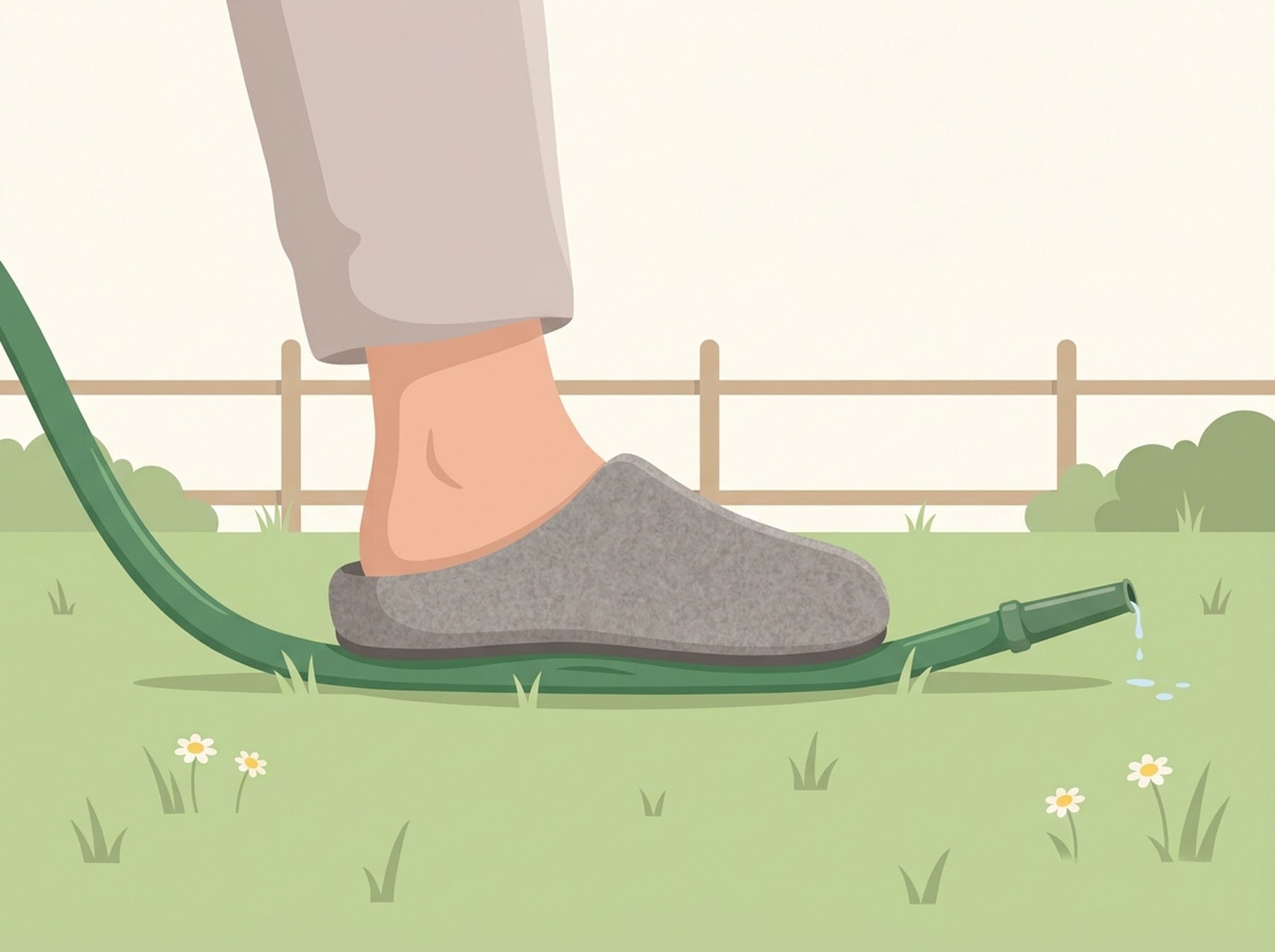
And every night you sleep wrong, it gets worse. Another 8 hours of compression. Another morning holding the wall.
Why doctors get it completely wrong
Denise Lowther, 56, a postwoman from Norwich, spent two years going from one appointment to the next.
"I described it to every one of them the same way. I feel like I'm on a boat. All day, every day. I had to stop driving. Some mornings I couldn't get to the bathroom without holding on to the wall."
"I saw my GP four times. The ENT. A cardiologist. They gave me tablets for the dizziness, and then tablets for the anxiety."
But not a single doctor asked her how she actually slept.

"I had every test going. A brain scan. A heart monitor. Three lots of bloods. In the end we paid £300 for a private MRI because I couldn't wait any longer. Everything came back normal. They told me it was anxiety."
"That was the hardest part. When your tests are clear, people start looking at you like it's all in your head. But I knew it wasn't. I knew something was really wrong."
Denise's story isn't the exception. It's the rule.
Each specialist only looks within their own area. None of them examines the neck.
And even when someone does look at the neck, nobody asks how you sleep. In what position. On what pillow.
So the prescriptions keep coming, for tablets that quieten the symptoms without touching the cause.

Meanwhile, the wrong pillow keeps squeezing those nerves and blood vessels every single night.
How to take the pressure off your neck overnight
To get lasting relief, the goal is simple.
Stop your neck muscles working all night. Take the pressure off C1 and C2 so the nerves and blood vessels can do their job. And give those tight muscles a chance to finally let go.
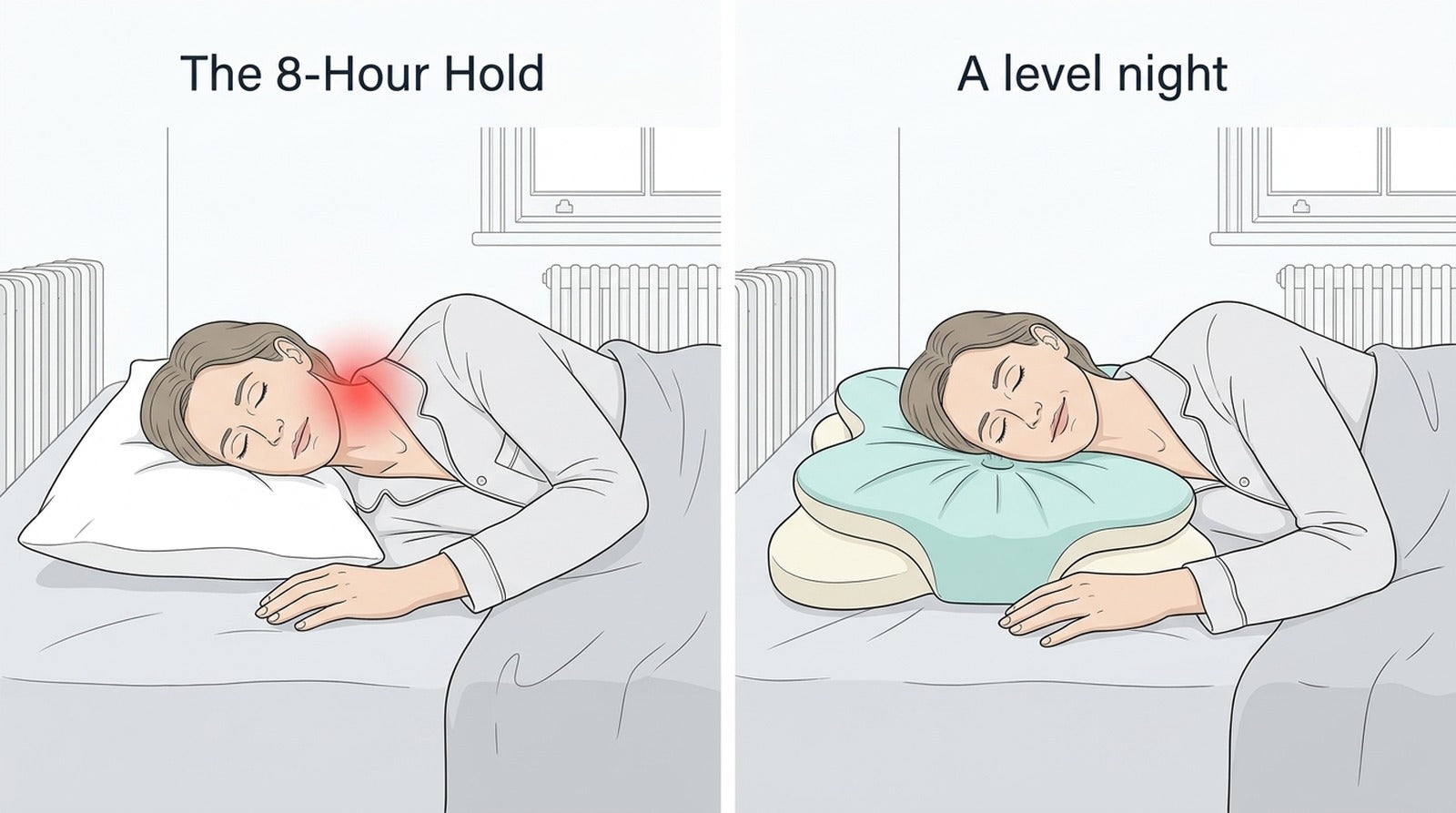
So how do you get your neck into the right position, every single night, without thinking about it?
With a really simple 30-second change.
What if you could just swap your old pillow for one designed for this exact problem? Your head would be held level. Your shoulder would have somewhere to go. Your neck muscles wouldn't have to fight all night.
You'd just lie down, sleep, and wake up clear-headed.
That's exactly where a new kind of pillow comes in.
Relief overnight, without exercises, tablets or gadgets
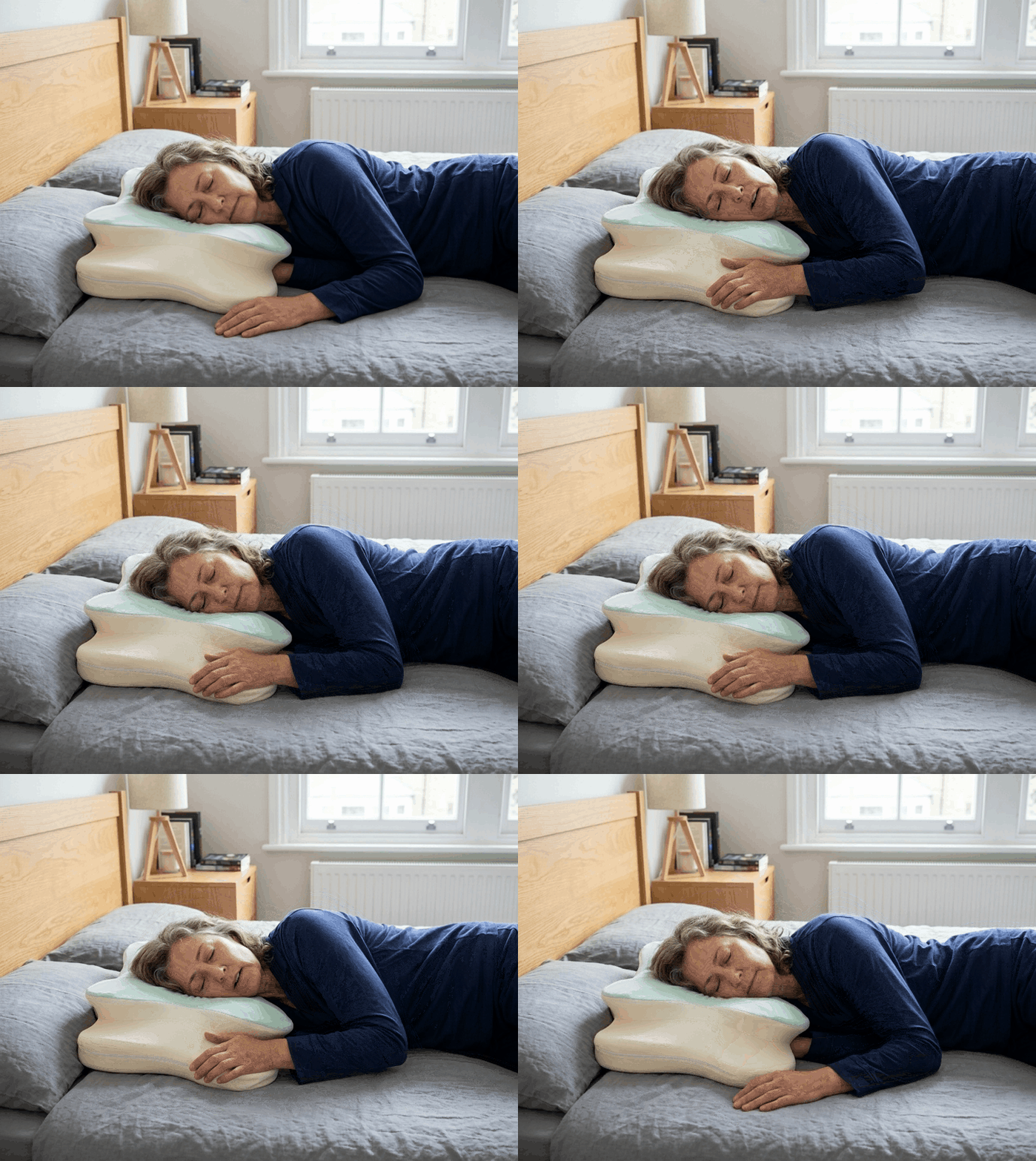
That's why, after years of seeing the same patients come back, I started testing pillows for them. I ordered them, cut them open, and lay on every one of them myself.
Most pillows, even expensive "orthopaedic" ones, focus on lifting your head. That's not enough. They completely miss two things: the base of the skull, and the shoulder underneath you.
Your head presses down for 8 hours. If you're on your side, your shoulder is pinned and your head is pushed up at an angle. The muscles around C1 and C2 stay clenched all night. Tighter. More compressed.
So I looked for a pillow that fixes both. And I found one.
It's called the NattieSide™ Shoulder Pillow.
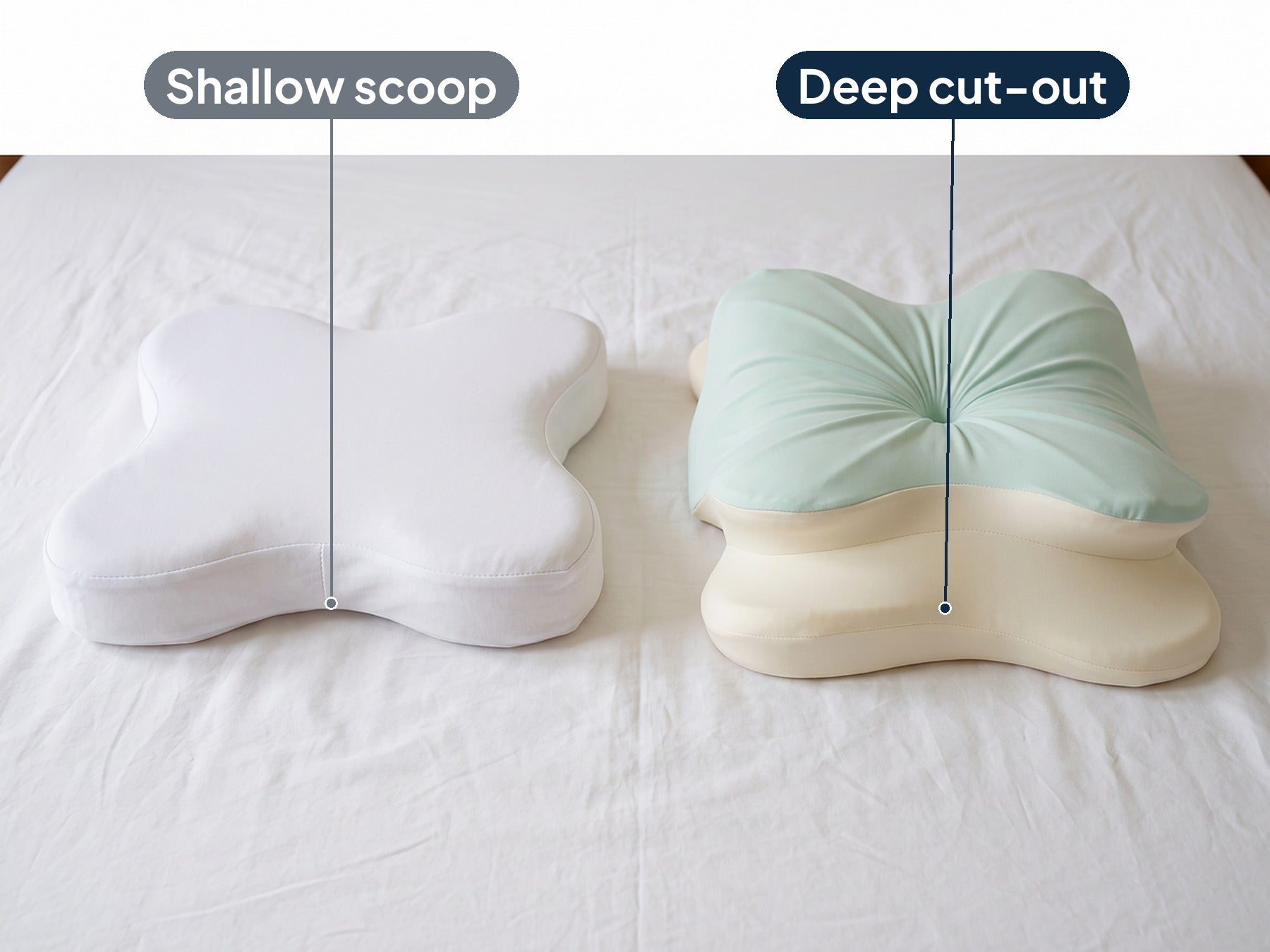
The back of your head rests in a central cradle, so it's held level instead of sinking or tipping. Your lower shoulder drops into a deep cut-out, so it isn't shoving your head up. Your neck finally lies straight.
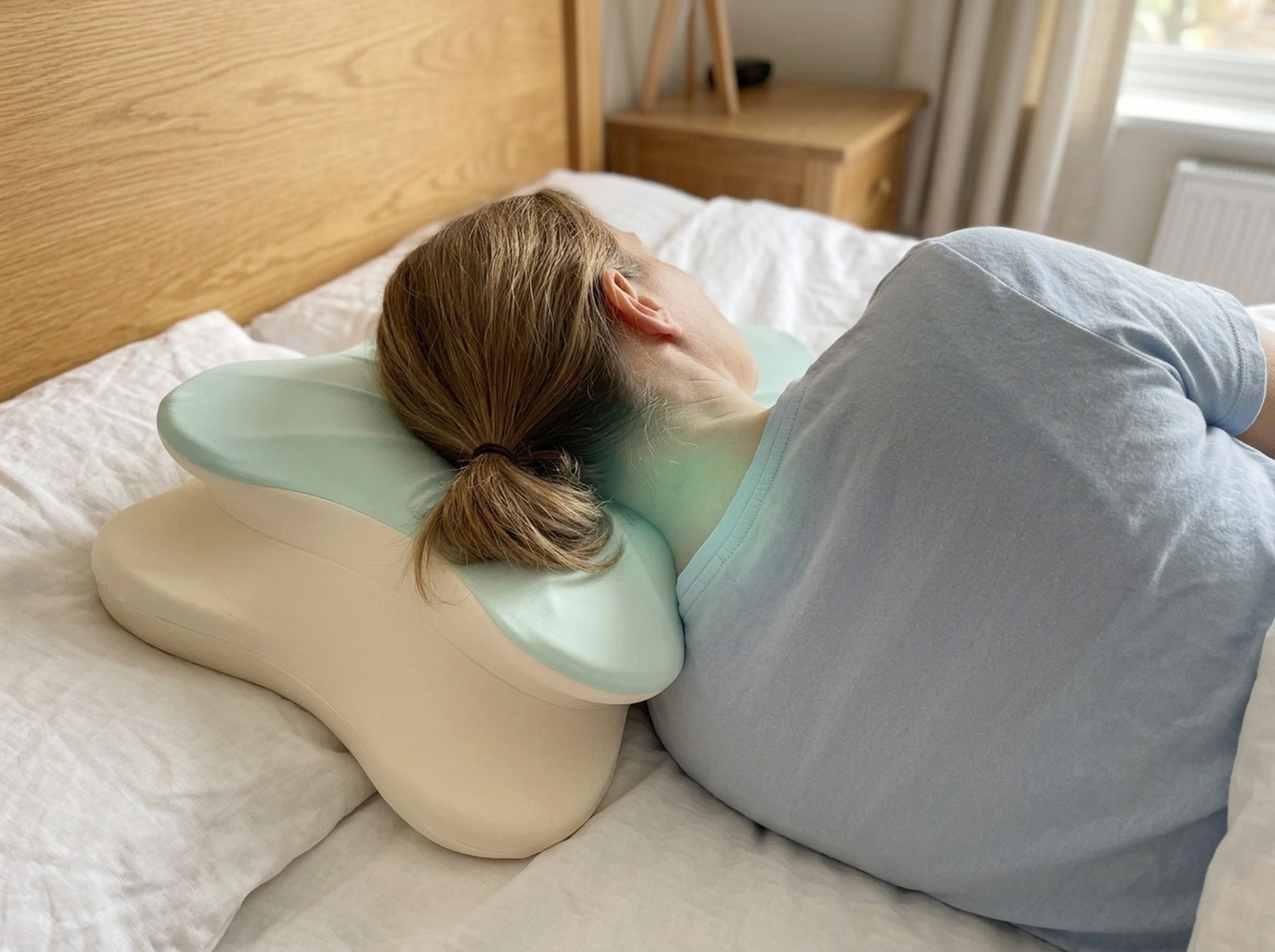
Your neck muscles can relax instead of working all night.
Night after night, they let go of the tightness they've held for years. As they soften, the pressure comes off the nerves and blood vessels at the top of your neck. Your balance system gets clean signals again.
Most people notice a difference within the first few nights, because each good night helps those muscles release a little more.
8 hours of recovery, instead of 8 hours of hold.
The NattieSide™ Shoulder Pillow
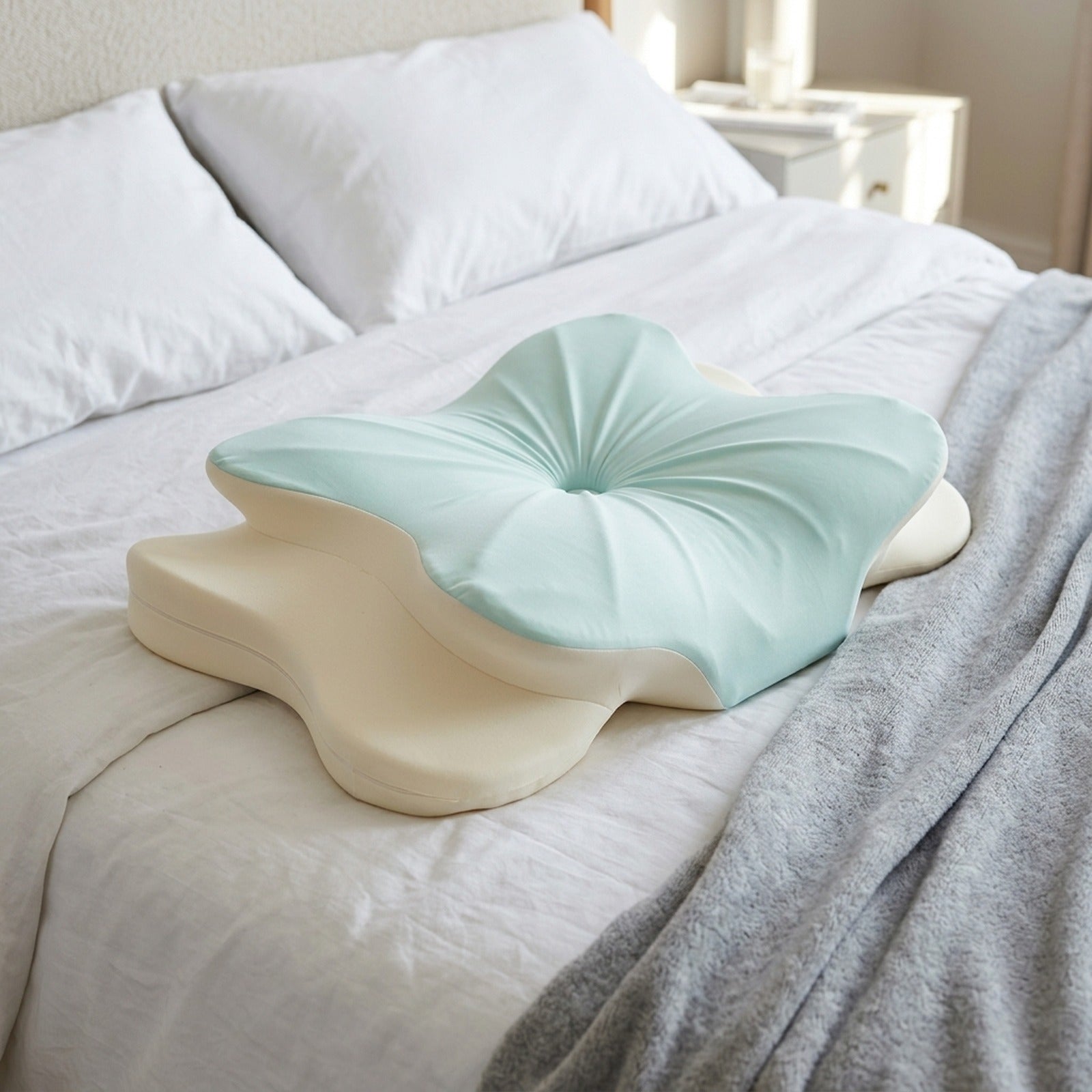
The NattieSide™ is one of the simplest and most affordable ways to take the pressure off your neck while you sleep.
- Level head, straight neck: holds your head, neck and shoulders in one line, so the muscles at the base of your skull can finally rest.
- Relief from morning dizziness, fog and a racing heart: by taking the strain off those overworked muscles, the symptoms can ease night by night.
- Calmer nights: the shape eases tension at the base of the skull, so you wind down faster.
- Built to last: dense memory foam that holds its shape, with the 2-Year Shape Guarantee.
The 3 parts that make the difference
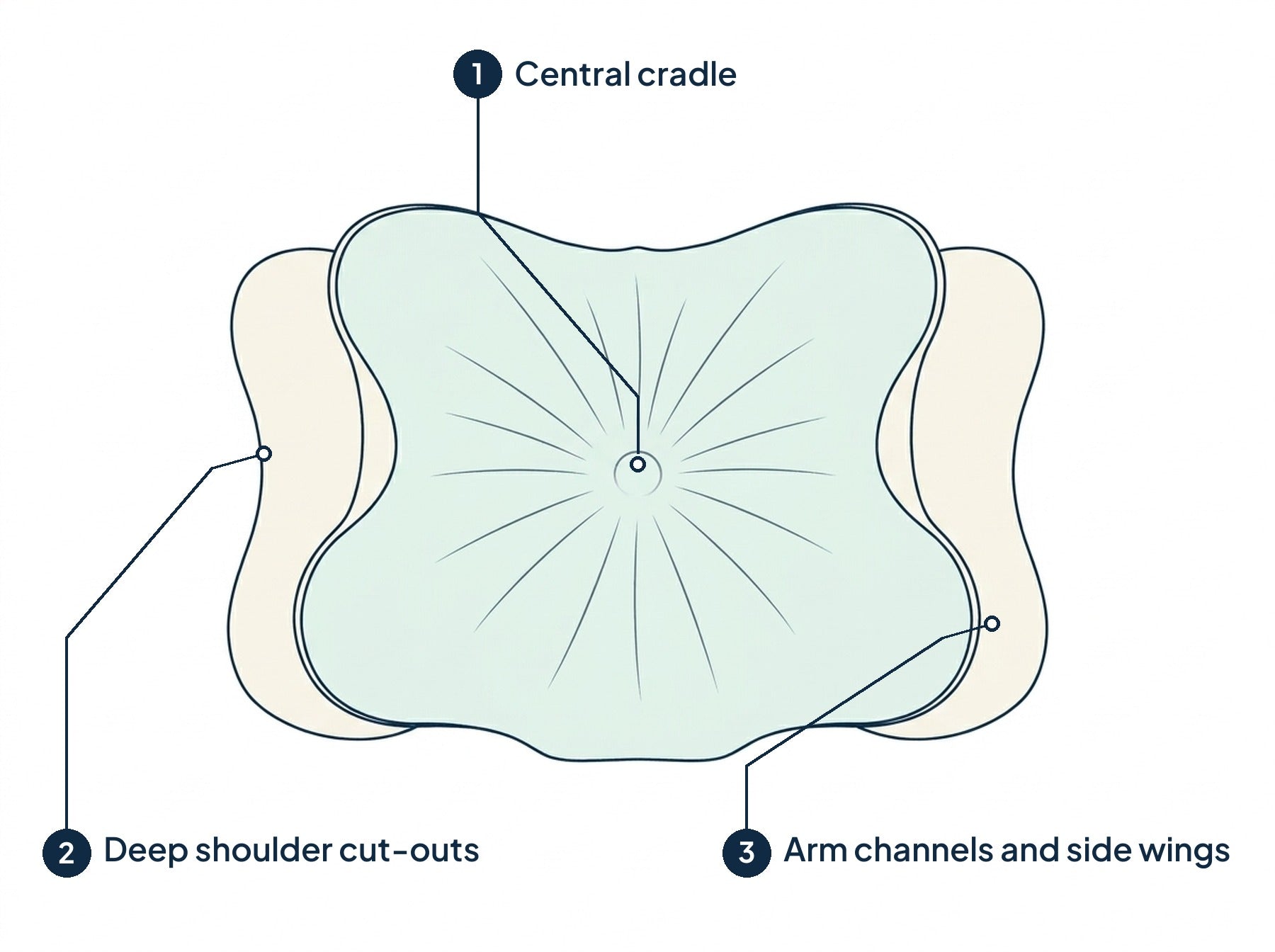
- Part 1, the central cradle: keeps your head at the right height and your neck in its natural curve, with no tipping, sinking or kinking.
- Part 2, the deep shoulder cut-outs: give your lower shoulder somewhere to go when you're on your side, so it stops pushing your head up and bending your neck.
- Part 3, the arm channels and side wings: give your forearm room so it doesn't go numb, and bring your head back to the middle every time you turn.
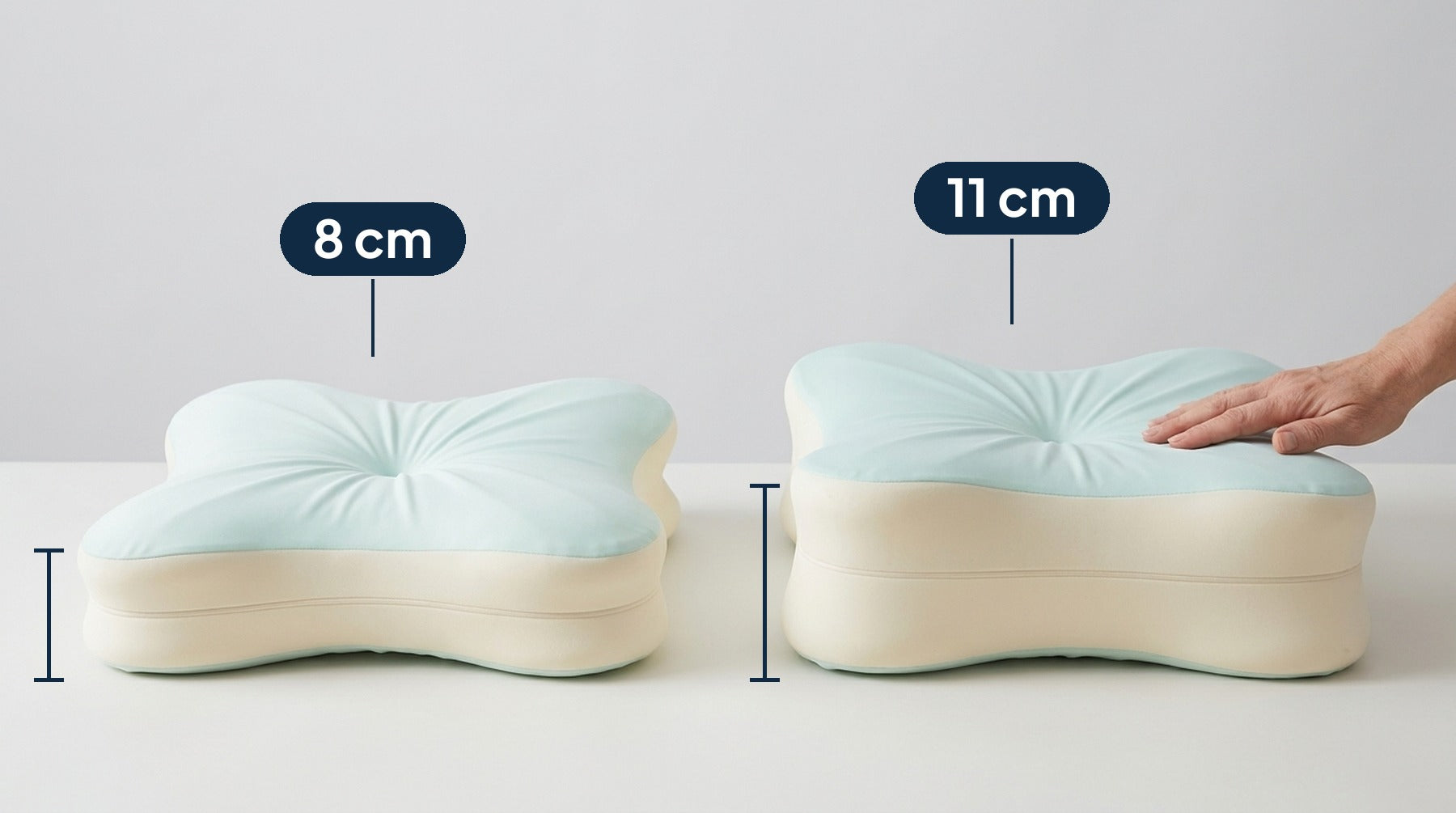
And there are two heights in one pillow: 8 cm for smaller frames, 11 cm for broader shoulders. You just turn it round.
How to use it for the best results
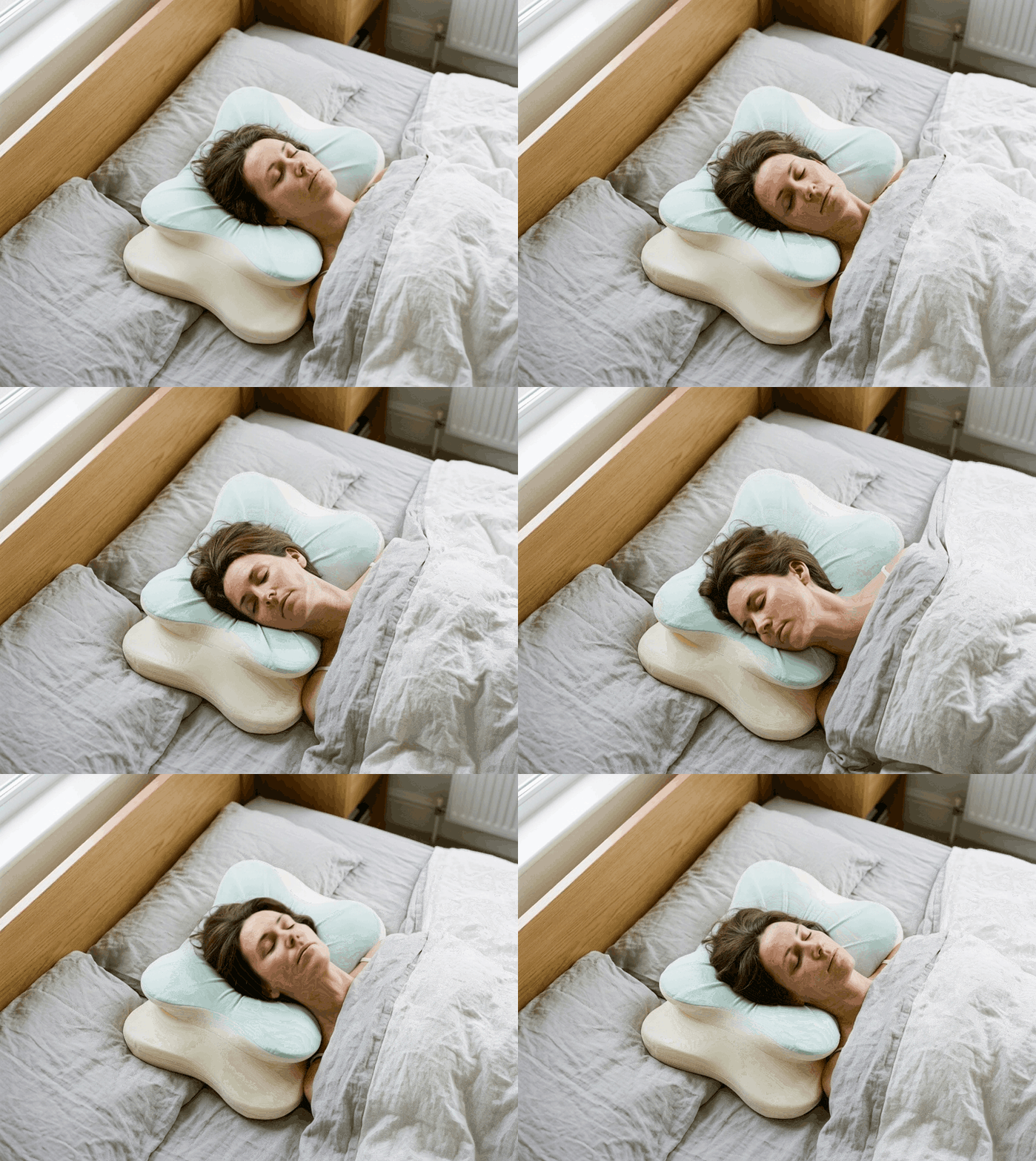
You don't have to do anything except put it under your head. On your side, your shoulder goes in the cut-out and your arm in the channel. On your back, your head rests in the cradle.
The memory foam holds its shape. No slipping. No flattening by the morning.
Your neck muscles can relax. The pressure comes off the top of your neck. And the mornings start to feel different.
Stays cool all night
The breathable memory foam doesn't trap heat, and the Ice Silk outer cover feels cool to the touch, wicks moisture and comes off for washing.
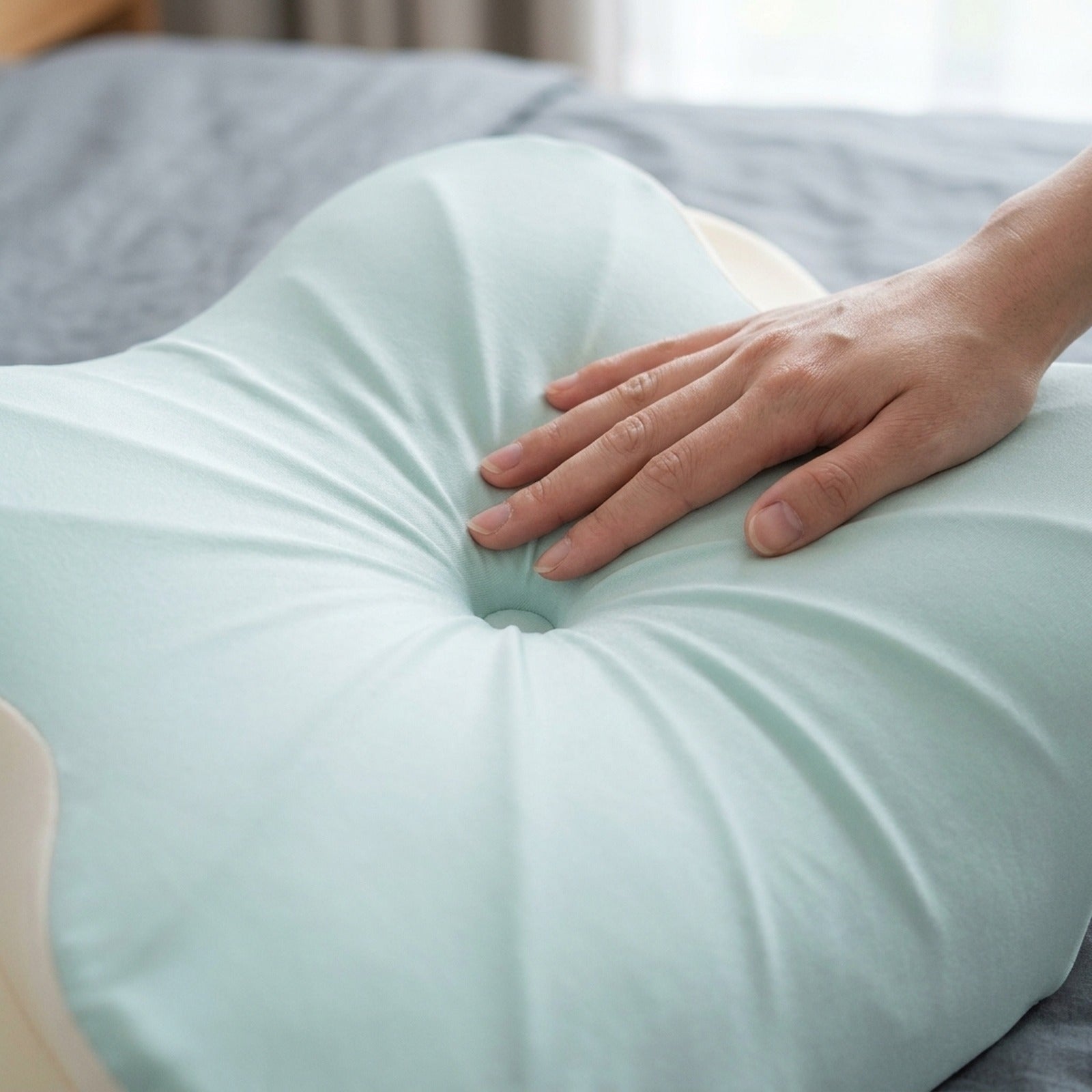
The result? A cooler, drier, more comfortable night, especially if you tend to wake up hot or restless.
What most people notice, night by night
Night 1: many people notice the room is steadier when they first sit up, and they sleep more calmly, without tossing and turning.
Night 7: after a week, the difference is easier to see. Your head feels clearer in the morning. The racing heart happens less. You stop reaching for the wall.
Night 14: after two weeks, most people are waking up clear-headed and moving normally, without that "something's not right" feeling.
Night 30: after a month, most people are waking up rested. Steadier on their feet. Thinking clearly. Sleeping through again.

Early Black Friday offer. 50% OFF. Ends on 26 November at 23:59.
Real people, real relief
When I first started recommending a pillow to patients with dizziness, a couple of colleagues raised an eyebrow. They stopped when those patients started cancelling their follow-up appointments.
I'd been waking up dizzy for months, the room spinning before I'd even sat up. Since the second night on this pillow, it's just stopped. I get up, I get on with my day. I can't believe it was my pillow all along.
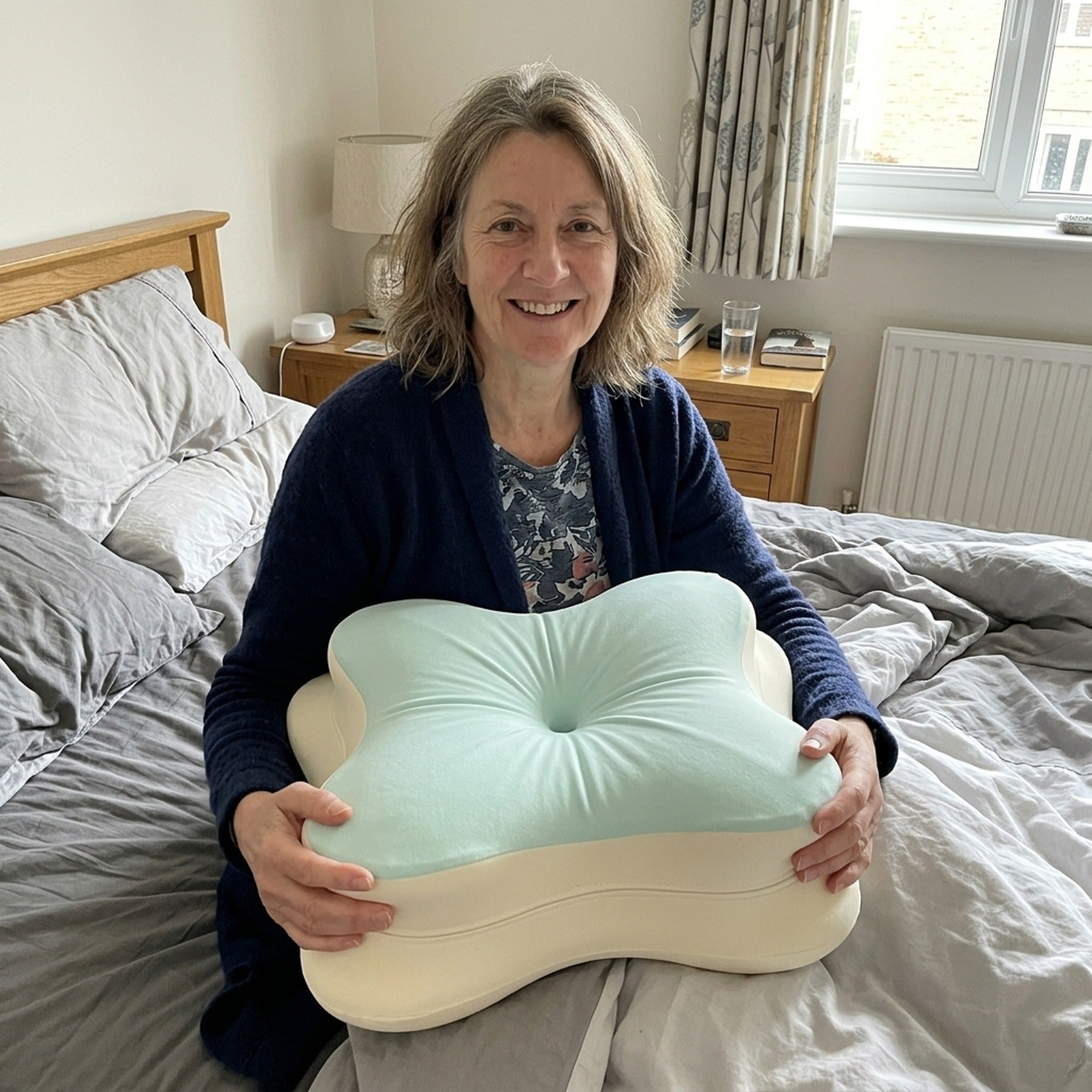
I ordered one for me and one for my husband. We're both sleeping better, and I'm not starting the day foggy and wobbly any more.
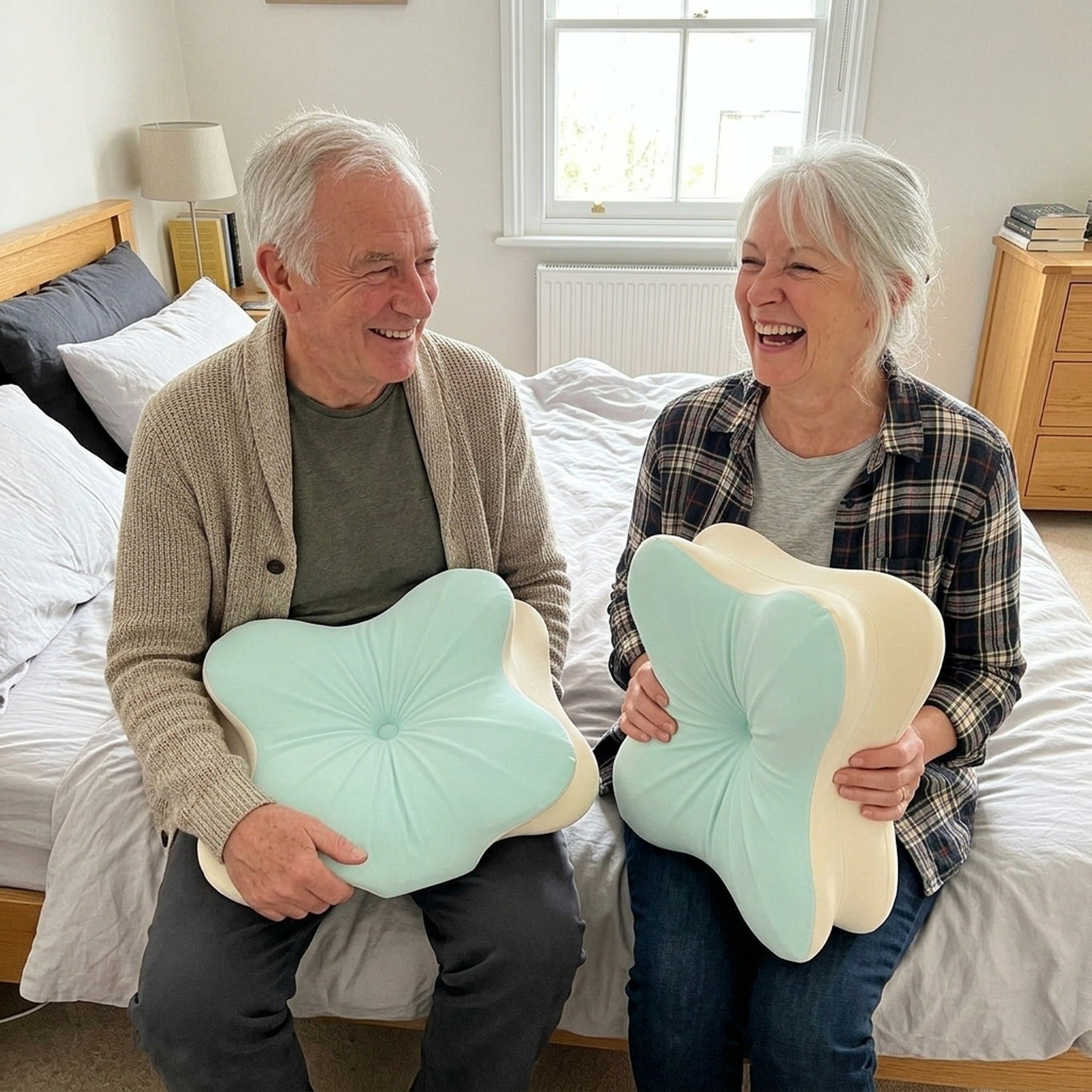
I'd wake up totally dizzy and lightheaded. It never used to happen. It went on for eight weeks until my daughter found this. Two weeks in and the mornings are normal again. Thank you.

Early Black Friday offer. 50% OFF. Ends on 26 November at 23:59.
What would your mornings look like without the dizziness and the fog?
- No more dragging yourself out of bed wondering when you'll feel "right" again.
- Waking up clear-headed. No spinning. No racing heart. No holding the wall.
- Finally sleeping through without waking up wired at 3am.
No more mornings where your first thought is, "Oh no, not again."
Imagine getting out of bed with a clear head, driving again, and starting the day actually looking forward to it.

Because you can again. And I can't wait for you to feel exactly that.
Early Black Friday offer. 50% OFF. Ends on 26 November at 23:59.
So how do you get the NattieSide™, and what does it cost?
The NattieSide™ is only available on the official Nattie Sleep website.
You won't find it in shops or on Amazon. If you see something that looks similar, it's a cheap copy with a shallow scoop and one height for everyone, without the deep shoulder cut-outs that let your neck lie straight.
Many of my patients notice a difference quickly, which tells me it's worth far more than the price.
The NattieSide™ is regularly £139.98.
Used every night for a year, that would still only be about 38p a night. Far less than a single private physio session, never mind a private MRI.
But right now, with the Early Black Friday offer, it's 50% off.
That means you pay just £69.99, instead of £139.98. About 19p a night over a year.
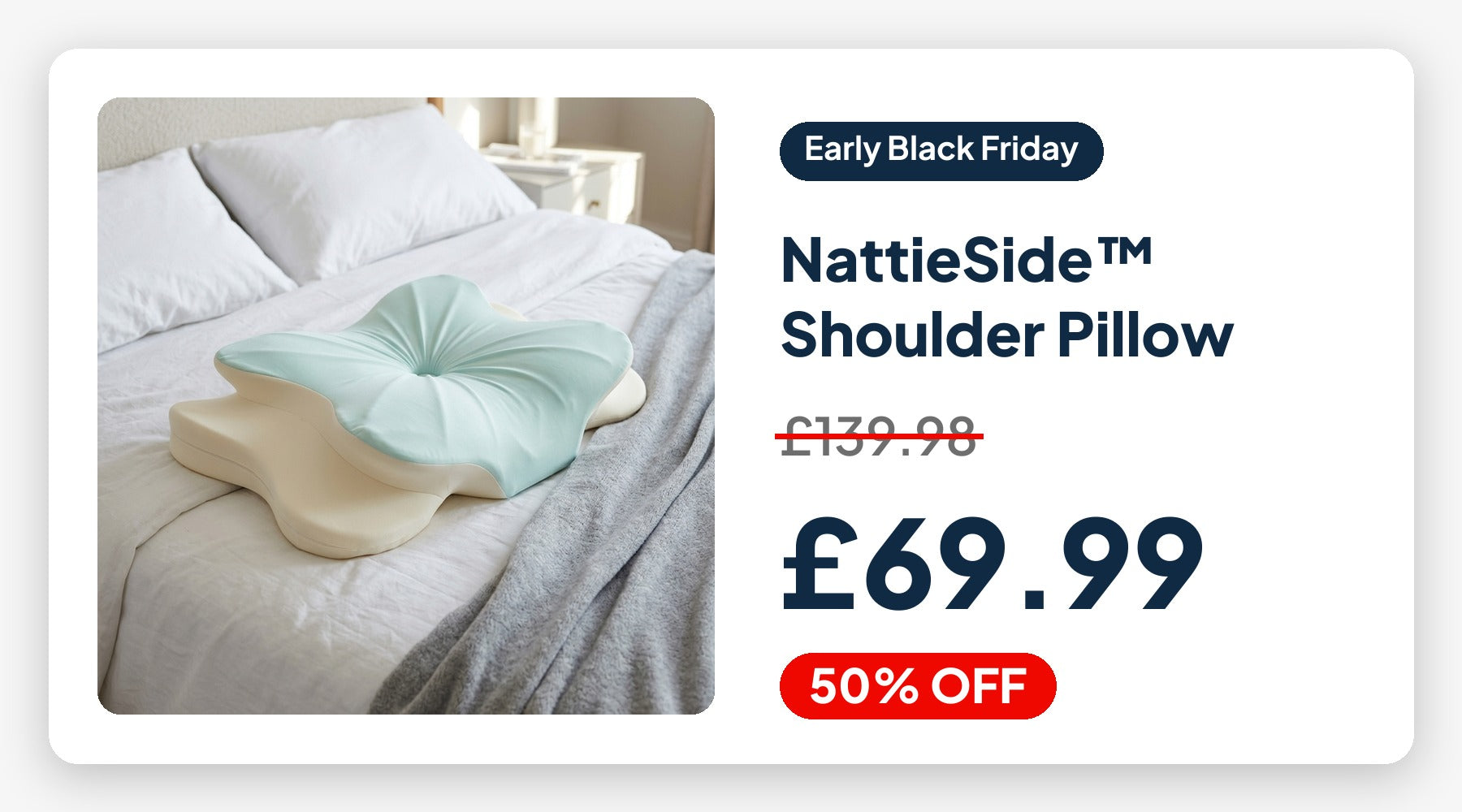
And the Early Black Friday offer ends on 26 November at 23:59. After that, it goes back to the full price.
Early Black Friday offer. 50% OFF. Ends on 26 November at 23:59.
You have 100 nights to try it, completely risk-free
Yes, you read that right.
Sleep on the NattieSide™ for 100 nights. See for yourself what it does to your mornings.
If it works, you keep it and enjoy it every night.
If for any reason it doesn't, email the team with a photo and your order number, and you get every penny back. You don't even have to send it back.
And every NattieSide™ comes with the 2-Year Shape Guarantee. If the centre ever sinks more than 1 cm, they'll send you a new one.

Sound fair?
Plus 5 free bonuses, yours to keep
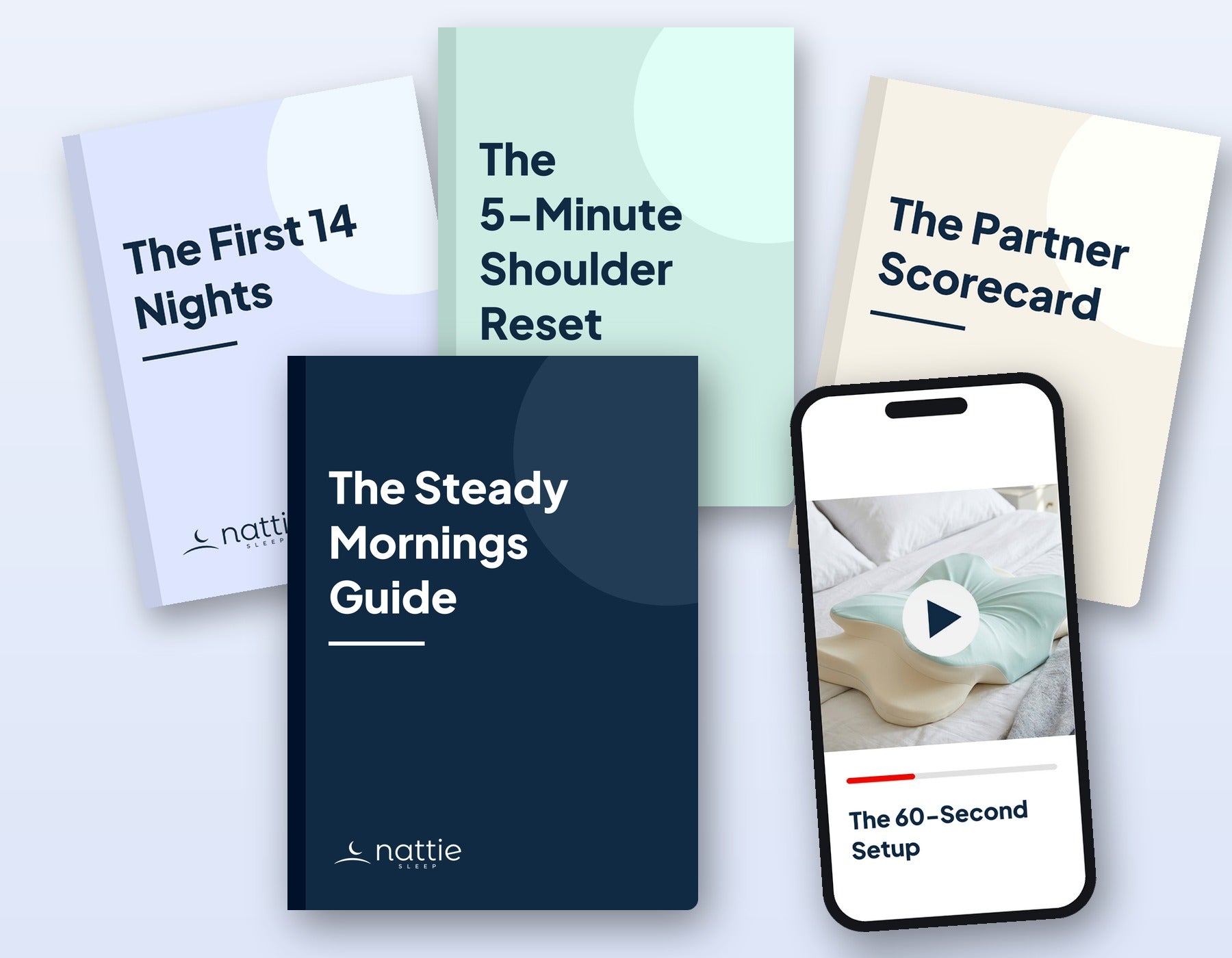
Every order today comes with 5 bonuses worth £96.98, sent straight to your inbox:
- The Steady Mornings Guide (£19 value): how to get up slowly, a morning diary and the questions to take to your GP.
- The 60-Second Setup (£14.99 value): a short video showing exactly how to lie on it and which height to use.
- The First 14 Nights (£24.99 value): what you'll notice night by night, plus emails on nights 3, 7 and 14.
- The 5-Minute Shoulder Reset (£19 value).
- The Partner Scorecard (£19 value).
That's more than the pillow itself. Yours to keep, whatever you decide.
What to do next
Click the button below that says "CLAIM MY 50% OFF". It takes you straight to the official website. Your discount is applied automatically.
Choose how many you want. Most people order two: one for themselves, and one for a mum, a sister or a friend who wakes up the same way.
Delivery is free and tracked, and your 5 bonuses arrive by email as soon as you order.

Early Black Friday offer. 50% OFF. Ends on 26 November at 23:59.